

Your mouth at 70 doesn’t work like it did at 40. That’s not exactly news, but what is changing is how dentists are finally using technology to address the specific problems that come with aging.
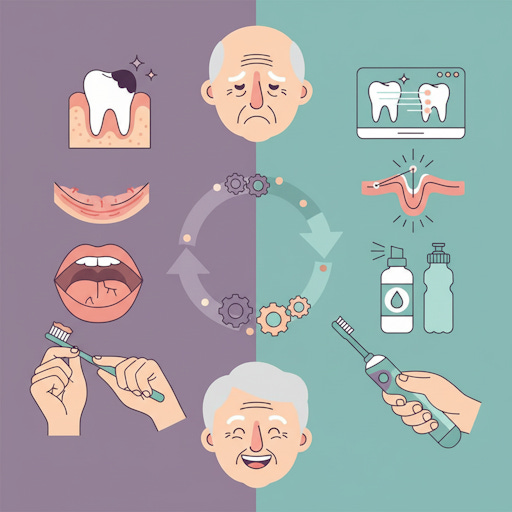
Nearly all older adults over 65 have dealt with cavities in their permanent teeth. Two out of three have gum disease. And somewhere between 10 and 33 percent of women deal with chronic dry mouth that makes everything worse. These aren’t small inconveniences. They’re quality-of-life issues that affect what you eat, how you feel, and whether you smile in photos.
The good news? Technology is finally catching up to the problem.
Join TheSeniorTechie and help make technology accessible for every senior. Paid subscribers get full access to Premium Guides - including a monthly deep dive into brain health - plus LIFETIME access to free tech support from our partner Tech Maid.
When Getting to the Dentist Becomes the Problem
Mobility changes everything. Arthritis makes it harder to grip a toothbrush. Driving at night becomes less appealing. And if you’re in assisted living, scheduling a dental appointment can feel like planning a military operation.
Teledentistry stepped in during COVID and stuck around because it works. You can now have a video consultation with a dentist from your living room or even from your room in a senior facility. They can assess issues, provide guidance on pain management, and determine whether you need an in-person visit or if the problem can wait.
This isn’t just convenient. It’s a solution to a real access problem. For people in rural areas or those with limited mobility, teledentistry has removed barriers that kept dental problems from getting caught early.
The Toothbrush That Knows More Than You Do
An electric toothbrush isn’t new. But an intelligent one that tracks where you’re brushing, for how long, and with how much pressure? That changes things.
Swedish dentist Johan Flyborg developed this after watching his elderly patients’ oral health deteriorate. The brush connects via Wi-Fi and Bluetooth, storing data from integrated sensors that show exactly which teeth you’ve cleaned and which you’ve missed. The feedback is immediate.
For someone who’s had a stroke and can’t feel where the brush is in their mouth, this technology can be essential for maintaining oral health. The brush can also integrate sensors to measure body temperature and detect early signs of infection, making it more than just a cleaning tool.
Studies show electric toothbrushes remove plaque more effectively than manual ones. For seniors dealing with arthritis or reduced dexterity, the ergonomic handles and automated brushing action make the whole process easier. Many models include timers and pressure sensors to prevent brushing too hard, which can damage sensitive gum tissue.
AI That Spots Problems Before You Feel Them
Artificial intelligence in dentistry isn’t about replacing your dentist. It’s about giving them a second set of eyes that never gets tired.
AI tools analyze X-rays and 3D scans to detect cavities, gum disease, bone loss, and early signs of decay that might be missed during a routine exam. The software can spot sensitivity around 85% of the time and correctly identify healthy areas about 90% of the time. That’s picking up problems early enough that treatment stays simple and costs stay manageable.
For older adults, this matters more. Enamel erosion, gum recession, and dry mouth are common by age 60. Intraoral cameras give dentists enhanced visibility, allowing them to detect minor cavities or early signs of demineralization that traditional mirrors miss. Early detection means simpler procedures, lower costs, and better outcomes.
When Same-Day Dentures Actually Mean Same Day
Traditional dentures used to require multiple visits and weeks of waiting while a lab fabricated them. Not anymore.
3D printing technology now allows dentists to design, fabricate, and deliver customized dental restorations in a single appointment. An intraoral scanner captures a digital impression, eliminating uncomfortable molds. That scan goes straight to a 3D printer, which creates the restoration while you wait.
Some dental practices offer complete same-day denture services with on-site laboratories. The morning starts with impressions. By afternoon, you’re picking up your finished dentures. This isn’t just faster. It’s thousands of dollars cheaper because you’re cutting out the external lab.
The technology also works for crowns, bridges, inlays, and partial dentures. And if adjustments are needed later, digital workflows make modifications and replications easy.
Laser Dentistry for People Who Hate Drills
The sound of a dental drill triggers anxiety in a lot of people. Laser dentistry eliminates that entirely.
Lasers can remove tooth decay without the vibration, heat, or pressure of traditional drills. Most patients don’t need anesthesia because the procedure is that gentle. There’s no drilling or scraping, which means less trauma to the tooth and surrounding tissues.
For gum treatments, lasers reshape tissue and treat periodontal disease without scalpels or sutures. The procedures minimize bleeding and eliminate post-operative discomfort. Recovery is faster because there’s less tissue damage.
Crown preparation, frenectomies, and soft tissue adjustments can all be done with laser precision. The technology preserves more of the natural tooth structure while achieving the same results traditional methods would.
Implants That Work Better Than Your Natural Teeth Did
Dental implants used to be considered risky for older adults, especially those with osteoporosis or prior bone loss. Technology changed that calculation.
Computer-guided placement systems enable greater precision, even for patients with lower bone volume or complex anatomical challenges. The five-year survival rate for implants in elderly patients is 99%, and the ten-year rate is 98.1%. Patients between 66 and 93 years old who received implants showed excellent survival rates, minimal bone health changes, and outstanding quality of life scores.
Implants heal with the same predictability in older adults as they do in younger groups. In many cases, implants are now the treatment of choice over dentures for seniors because they work better and last longer.
The Dry Mouth Problem Nobody Talks About
Dry mouth isn’t a normal part of aging, but it’s a side effect of more than 500 medications. It increases cavity risk by 60% when combined with low saliva flow.
The solutions are straightforward but require consistency. Drink more water throughout the day. Carry a bottle and don’t wait until you’re thirsty. Saliva substitutes and oral moisturizers come in sprays, gels, and rinses designed to mimic natural lubrication. Sugar-free gum or lozenges containing xylitol stimulate saliva production while helping prevent tooth decay.
Avoid alcohol, caffeine, and smoking because they dehydrate your body and worsen symptoms. Eat foods high in water content like fruits and vegetables, and steer clear of spicy, salty, or acidic foods that irritate dry mouths. Your dentist can apply fluoride gel or varnish to protect teeth from cavities caused by reduced saliva.
What Actually Matters Here
Technology solves problems when it removes obstacles. For seniors, those obstacles are mobility, access, pain, time, and cost.
Teledentistry removes the transportation barrier. Intelligent toothbrushes compensate for reduced dexterity and sensation. AI catches problems before they become expensive emergencies. 3D printing eliminates multiple appointments and cuts costs. Lasers make procedures gentler and less frightening. And implants now work reliably for people who were told they weren’t candidates.
None of this is theoretical. These technologies are in use right now, solving real problems for people who thought they’d just have to live with declining oral health. That’s the point. You don’t have to.

