

The Dream That 82% of Seniors Share
You’ve lived in your home for decades. You know which floorboard creaks. You know exactly how the morning light hits the kitchen counter.
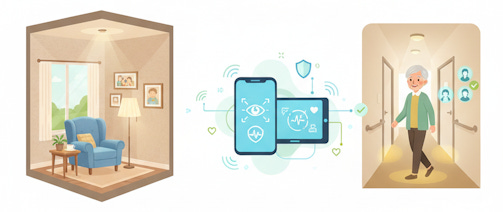
That’s why 82% of seniors say they want to spend the rest of their lives in their current home. It’s not just stubbornness or nostalgia. There’s something fundamental about the space where you’ve built your life.
But here’s what the statistics don’t tell you: only 10% of U.S. homes have the accessibility features actually needed to support aging in place. That gap between desire and reality? That’s where things get complicated.
Paid subscribers get full access to all Premium Guides (including our monthly brain health deep dive) plus lifetime tech support from our partner Tech Maid (a $50/year value, included for free).
When Independence Meets Reality
About 46% of adults over 65 have taken concrete steps to age in place. The other half? They’re caught in that uncomfortable space between wanting to stay home and figuring out how to make it work.
The challenges aren’t small. According to the U.S. Census Bureau, 40% of people over 65 have at least one disability, and two-thirds report difficulty walking or climbing stairs. Vision changes, hearing loss, cognitive shifts—these aren’t just medical terms. They’re the difference between confidently navigating your own bathroom and wondering if you should install grab bars.
Falls are the leading cause of injury for seniors at home. Over one in four people aged 65 or older fall every year, and fourteen million falls happen annually in American homes. Each one carries the weight of a potential life change.
The People Who Make It Possible
Aging in place sounds like a solo endeavor. It’s not.
Family caregivers become the invisible infrastructure. They provide transportation, prepare meals, manage medications, handle housekeeping, and coordinate medical appointments. Area Agencies on Aging report that these caregivers enable their loved ones to remain at home, often while juggling their own jobs and families.
Almost half of grandparents raising grandchildren are over 60 themselves. Caregiving doesn’t follow a convenient timeline.
The emotional toll is real. Caregiver support groups exist for a reason—caring for an aging loved one is physically and emotionally demanding. Burnout isn’t a sign of weakness. It’s what happens when one person tries to be everything: nurse, cook, handyman, companion, and advocate.
What Actually Keeps People From Staying Home
Transportation ranks as one of the most common barriers. When 45% of Americans lack access to public transportation, and many seniors must limit or stop driving, getting to doctor appointments or the grocery store becomes a puzzle with no easy solution.
Affordability creates a cascade of problems. Many seniors choose between paying rent and buying medications, between mortgage payments and proper nutrition. When you’re struggling with housing costs, home modifications like wheelchair ramps or stair lifts become impossible luxuries.
Then there’s isolation. It’s not just loneliness—though that’s painful enough. The National Council on Aging found that prolonged isolation equals smoking 15 cigarettes a day in terms of health impact. Isolated seniors face higher risks of cognitive decline, weaker immune systems, chronic disease, and depression.
Safe housing matters too. Loose floorboards, uneven carpets, poor lighting near stairs—these everyday hazards become serious threats. Tenants with disabilities can legally modify their apartments, but they must pay for it themselves. If modifications need to be reversed when they move, they’re still liable for those costs.
The Technology Bridge to Independence
About 77% of baby boomers and adults over 50 prefer aging in place. Technology is starting to close the gap between that preference and practical reality.
Voice-activated assistants can set medication reminders and control lights without requiring anyone to navigate dark hallways. Emergency response systems provide immediate help at the push of a button. Smart home automation adjusts lighting and temperature, reducing fall risks and simplifying daily routines.
But technology alone isn’t enough. Many seniors are hesitant to embrace new devices. They need support systems that combine digital tools with human connection.
How SeniorThrive Prevents Problems Before They Happen
This is where SeniorThrive changes the conversation about aging in place.
Instead of treating safety, wellness, and family coordination as separate problems, SeniorThrive combines them into what they call a “home operating system” for independent living. It’s designed specifically for the reality that 95% of seniors want to stay home, but they need support to do it safely.
The platform tackles aging in place from multiple angles, each designed to address a specific challenge that keeps seniors from thriving at home. SeniorThrive offers two main products: ThriveMax for older adults and ThriveFamily for family caregivers who need additional coordination tools.
ThriveVision: Your Home Through Safety Eyes
ThriveVision is SeniorThrive’s AI-powered home safety scan, and it represents a fundamental shift in how we think about fall prevention.
Instead of waiting for someone to trip over that living room rug or miss a step on poorly lit stairs, the Home Safety Scan powered by ThriveVision spots risks and suggests simple fixes right from your phone or tablet. You scan rooms in your home, and the AI analyzes what it sees: loose floorboards, uneven carpets, inadequate lighting near stairs, clutter in walkways.
What makes ThriveVision different is that it doesn’t just identify hazards. It provides actionable recommendations you can implement yourself. The system understands that most seniors can’t afford professional home modifications, so it focuses on practical solutions.
The advanced ThriveVision AI technology has been designed to offer a clear picture of a senior’s current living conditions, allowing the system to tailor recommendations that enhance safety at home. It’s proactive prevention instead of reactive response—and that difference matters when you consider that falls are the leading cause of injury for seniors at home.
Health Pulse: Tracking What Matters
SeniorThrive’s Health Pulse feature helps you notice how your body is trending over time so small changes stay manageable and clear.
Instead of obsessing over daily fluctuations, Health Pulse shows meaningful patterns. A gradual reduction in activity levels. Sleep pattern disruptions. Changes in mood or energy. These early warning signs allow for intervention before minor concerns become major crises.
The system doesn’t treat you like a patient who needs constant monitoring. It treats you like someone who wants to stay in control of your own health information while having the data to make informed decisions.
For families worried about aging parents, Health Pulse provides visibility without constant check-in calls. You can see that your mother is maintaining her routine, staying active, and managing her health—all without intrusive monitoring that undermines her independence.
ThriveScore and Accountability That Works
Beyond identifying problems, SeniorThrive provides a ThriveScore and recommendation engine that goes beyond just pointing out areas of improvement.
The system provides actionable solutions and ongoing support to help seniors and their families implement recommendations, fostering a proactive and empowering approach to aging. It’s not about generating a report and hoping someone follows through. It’s about creating accountability that actually works.
The personalized approach means recommendations fit your specific situation—your home layout, your mobility level, your family support structure. One-size-fits-all solutions don’t work for aging in place. SeniorThrive recognizes that.
Family Coordination Through ThriveFamily Plus
When multiple family members are involved in caregiving, communication breaks down fast. Who’s taking Mom to her cardiology appointment? Did anyone refill Dad’s prescriptions? Has the physical therapist been scheduled?
ThriveFamily Plus adds visit scheduling, care notes, and incident tracking for family caregivers who need additional coordination tools. Available as an in-app upgrade, it brings everyone into the same circle of information.
Instead of phone trees and group texts that spiral into confusion, families get a centralized system where everyone can see what needs to happen and who’s handling it. Duplicate efforts disappear. Missed appointments become rare.
For the senior at the center of all this care, it means fewer repeated questions and more actual support. For family caregivers, it means clarity instead of chaos.
AI That Understands Senior Needs
SeniorThrive leverages AI technology specifically designed to help older adults. The platform’s AI capabilities handle everything from fall risk assessments to personalized recommendations based on your unique situation.
The system provides medication reminders, helps identify potential hazards through the ThriveVision scan, and offers a supportive digital companion that reduces isolation. These aren’t generic chatbots that provide canned responses—they’re tools trained to understand the specific needs and challenges of aging in place.
Voice-activated features make the technology accessible even for seniors who may have limited technological experience. By enabling voice commands and intuitive interfaces, the platform eliminates barriers and empowers seniors to maintain independence.
The AI serves as a virtual companion, providing a sense of companionship and reducing feelings of loneliness or isolation. With conversational abilities, these features can engage seniors meaningfully, offering support that enhances mental well-being and overall quality of life.
Getting Started With SeniorThrive
SeniorThrive offers a 7-day free trial so you can experience the platform before committing. New members are being invited in stages through an early access program, ensuring everyone receives proper onboarding support.
You don’t need to be a tech expert to use it. The design assumes varied comfort levels with digital tools and focuses on simplicity over complexity. The goal is support, not overwhelm.
What makes SeniorThrive work is how it treats aging in place as what it actually is: a family effort that requires early prevention, not emergency response. The platform empowers older adults to stay in control while giving families clarity and peace of mind.
It’s the difference between hoping everything will be fine and having systems in place to make sure it is.
Building Your Complete Support Network
Technology helps. But community resources complete the picture.
Local Area Agencies on Aging provide respite care, counseling, support groups, caregiver education, and emergency assistance through the National Family Caregiver Support Program. They also handle information and referral services, connecting families with local providers who can address specific challenges.
Caregiver support groups offer emotional support, practical advice, and access to respite care options. Talking with others who understand the challenges reduces stress and provides real-world strategies.
In-home physical therapy helps seniors improve mobility, strength, and balance right where they live. Care coordination services help families navigate options and connect with specialists, making aging in place more manageable.
Install grab bars and handrails in key spots—especially in bathrooms and on stairs. These home modifications offer crucial support that reduces fall risk dramatically.
Starting the Conversation Before Crisis Hits
Don’t wait for an emergency to talk about aging in place.
Frame these conversations as support, not as taking away independence. Use ThriveVision’s home safety scan together to identify risks with objective data instead of opinions or fear. When an AI identifies trip hazards, it’s easier to accept than when an adult child points them out.
Discuss home modifications now—grab bars, better lighting, removing trip hazards like loose floorboards and uneven carpets. Talk about what help looks like before it becomes urgent.
Create a plan that includes family roles, community resources, and technology tools. Identify which family members can handle transportation, who manages medications, who coordinates with doctors. Set up shared access to platforms like SeniorThrive so everyone stays informed.
Make sure your home supports your goals. If only 10% of homes are “aging ready”, chances are yours needs modifications. Start with the bathroom and stairs—the highest-risk areas for falls.
The Choice That Needs a Plan
Wanting to age in place isn’t enough. Making it work requires honest assessment, family support, community resources, and the right technology.
Seventy-five percent of adults over 50 want to stay in their homes as they age. But seven in ten seniors with low to moderate income are living with chronic illness. The desire is universal. The resources aren’t.
That’s why platforms like SeniorThrive matter. They bridge the gap between independence and safety, between family worry and coordinated care, between wanting to stay home and actually being able to do it confidently.
ThriveVision turns your home into a safer environment before accidents happen. Health Pulse shows health trends that help you stay ahead of problems. ThriveScore provides accountability that actually drives change. Family coordination tools through ThriveFamily Plus eliminate the chaos that exhausts caregivers.
Your home has been your ally for years. With the right support, it can continue to be.
Find this useful? Pass it along to a friend or family member who might also benefit.

