

You probably know Memorial Day honors fallen soldiers. What most people don’t know is who started it.
In May 1865, weeks after the Civil War ended, thousands of formerly enslaved Black residents in Charleston, South Carolina, gave a proper burial to 257 Union soldiers who had died in a Confederate prison camp. They built a fence around the graves, held a parade, and sang hymns. Yale historian David Blight documented this as one of the earliest Memorial Day observances in American history.
That story was largely buried for over a century. Worth knowing.
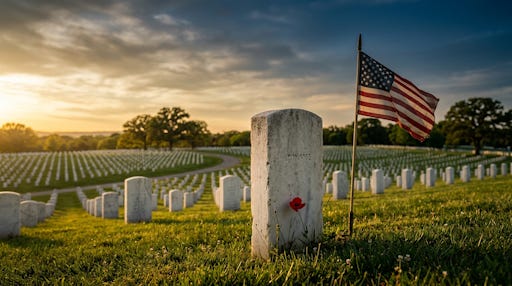
It Wasn’t Called Memorial Day Until 1967
The original name was Decoration Day, because families would decorate soldiers’ graves with flowers. Congress didn’t officially adopt “Memorial Day” until 1967. The move to the last Monday in May came in 1971, which is roughly when it began feeling more like a season opener than a day of remembrance.
That tension is real, and most of us feel it every year.
One distinction that often gets blurred: Memorial Day is specifically for those who died in military service. Veterans Day in November honors everyone who served. Different days, different purposes. Both matter.
Ready for the full TheSeniorTechie treatment? Our Premium members enjoy monthly Brain Health and AI For Seniors Deep Dives, all Premium Guides, and lifetime TechMaid tech support—a $50/year service included with membership.
What Technology Has Quietly Made Possible
If you want to actually honor someone this weekend, a few tools have made that genuinely easier, and none of them require any technical skill.
The VA National Grave Locator at gravelocator.cem.va.gov lets you search for any veteran buried in a national cemetery. Free, simple, and often surprisingly complete.
FindAGrave.com, owned by Ancestry, holds over 230 million memorial pages. Volunteers photograph headstones on request. If someone you want to remember is buried somewhere you can’t travel to, a stranger in that area may photograph the grave for you, often within a few days. That’s a quiet act of kindness that the internet actually got right.
Dig Into Family Military History
A few things worth trying this weekend:
Search a family name on Fold3.com, a military records archive; some records are free
Use your phone’s camera to scan and digitize old military photos; both Google Photos and Apple Photos have built-in document scanning
Look up discharge papers, draft registrations, and service records at archives.gov, the National Archives official site
If you’ve ever wondered about a grandfather’s service and never had a good way to look, this is the weekend to try.
The 3 O’Clock Moment Almost Nobody Knows About
At 3:00 p.m. local time on Memorial Day, there’s a National Moment of Remembrance. Congress passed a resolution in 2000 asking all Americans to pause for one minute of silence. It gets almost no press coverage. Most people have never heard of it.
Set a reminder on your phone right now. Seriously. It takes ten seconds.
One Small Action Before the Weekend Ends
Pick one name. A relative, someone from your hometown, anyone who served and didn’t come home. Spend fifteen minutes with the VA locator, FindAGrave, or a simple Google search using their name and “military service.”
You might be surprised what’s out there waiting to be found.
Frequently Asked Questions
Q: What is the difference between Memorial Day and Veterans Day?
A: Memorial Day honors U.S. military members who died in service, while Veterans Day in November honors all who served, living or deceased.
Q: Where can I find a veteran’s grave location online?
A: The VA’s free National Grave Locator at gravelocator.cem.va.gov is the official government tool for finding veterans buried in national cemeteries.
Q: What is the National Moment of Remembrance and when does it happen?
A: The National Moment of Remembrance is a one-minute pause at 3:00 p.m. local time on Memorial Day, established by Congress in 2000 to honor fallen service members.
Q: Can I access military service records online for free?
A: The National Archives at archives.gov/veterans offers access to many military records, with some available free and others requiring a records request.

