

A woman collapsed in her kitchen last Tuesday. She’d been feeling dizzy for weeks but kept putting off the doctor. When the paramedics arrived, her blood pressure was dangerously high - something a simple monitor could have caught days earlier.
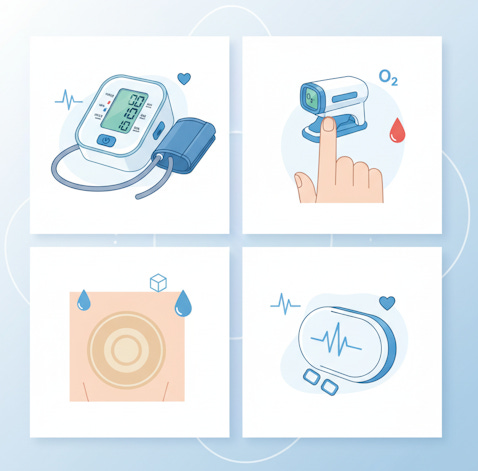
That’s the reality of home health monitoring. We’re not talking about fancy gadgets that measure sleep quality or count steps. This is about devices that track the numbers doctors actually care about: blood pressure, heart rate, blood oxygen, and glucose levels.
The medical device industry has finally figured out that seniors don’t want complicated technology. They want something that works when needed, sends the right information to the right people, and doesn’t require a PhD to operate.
Join TheSeniorTechie and help make technology accessible for every senior. Paid subscribers get full access to Premium Guides plus 60 days of free tech support from our partner Tech Maid - while supporting our mission to reach more seniors who need it.
What Home Health Monitoring Actually Means
Think about the last doctor visit. Blood pressure check, maybe heart rate, possibly blood oxygen. Then it’s over. Whatever happened to those numbers between appointments? They vanished.
Home health monitoring fills that gap. You’re collecting the same data doctors measure, but doing it daily. Weekly. Whenever something feels off.
The FDA started approving these devices for home use around 2014, but the technology has improved dramatically since then. Modern monitors connect to phones, store history, and some even alert doctors automatically if something looks wrong.
The Four Measurements That Matter Most
Blood pressure sits at the top.
Heart rate monitoring catches arrhythmias - irregular heartbeats that feel like fluttering or racing.
Blood oxygen levels (SpO2) became household knowledge during COVID, but they’ve been critical for people with lung conditions, heart failure, and sleep apnea for decades.
Blood glucose matters for anyone with diabetes or prediabetes.
Why Doctors Actually Want You Monitoring at Home
Doctors see patients for maybe 15 minutes every few months. They’re making decisions based on a single blood pressure reading when someone is probably nervous about being at the office. That’s called “white coat syndrome” and it makes readings artificially high.
Home monitoring gives doctors real data. They can see trends. They can spot problems developing before they become emergencies. They can adjust medications based on dozens of readings instead of one.
Remote patient monitoring programs have reduced hospital readmissions by 38% for heart failure patients. Medicare started covering these programs in 2019 because the data proved they work.
When Your Numbers Talk to Your Doctor
Many newer devices connect directly to electronic health systems. Blood pressure readings upload automatically. Medical offices review them weekly or monthly, depending on the condition.
This isn’t hypothetical. Remote monitoring programs exist right now. Patients take their blood pressure three times per week using provided monitors. The readings go straight to a nurse who reviews them every Monday. If something looks concerning, they call that same day.
The catch? Not all insurance covers this type of monitoring yet. Medicare does for certain conditions. Private insurance varies wildly. Check your specific plan.
Blood Pressure Monitors That Work Correctly
Not all blood pressure monitors give accurate readings. Consumer Reports tested dozens and found that many cheap monitors were off by 10 points or more. That’s the difference between normal and high blood pressure.
The American Medical Association maintains a validated device listing at ValidateBP.org with monitors that have been tested in clinical studies and proven accurate. The list includes specific models from Omron (like the 10 Series BP7465), A&D Medical, Microlife, and Welch Allyn that meet rigorous accuracy standards.
Upper arm monitors beat wrist monitors for accuracy. Arms need to be at heart level when measuring. The cuff should fit snugly but not tight - two fingers should slip under it.
Taking Readings That Actually Count
Sit quietly for five minutes before measuring. Don’t drink coffee or exercise for 30 minutes beforehand. Take two or three readings one minute apart, then average them.
Morning readings matter most. Blood pressure naturally rises in the morning, which is when most heart attacks and strokes happen. Measure at the same time each day.
Write down numbers or use a monitor that stores them automatically. One reading means nothing. Ten readings show a pattern. Thirty readings give doctors real information to work with.
Heart Rate and Rhythm Monitoring Beyond Your Wrist
Smartwatches can detect irregular heartbeats, but they’re not medical devices. The Apple Watch has FDA clearance for atrial fibrillation detection, but it’s designed to catch occasional irregularities, not monitor chronic conditions. (If you buy something, I may earn a small commission to support TheSeniorTechie at no cost to you—thanks!)
For serious heart rhythm monitoring, doctors might prescribe a Kardia device. It’s a small pad you touch with your fingers that records a medical-grade EKG in 30 seconds. The reading goes to your phone, then to your doctor.
Some insurance plans cover Kardia monitors for people with a history of heart problems. They cost around $129 without insurance, but the recordings are detailed enough that cardiologists use them for diagnosis.
When Your Heart Skips Beats
An irregular heartbeat feels different for everyone. Some people notice it constantly. Others never feel anything wrong. That’s why monitoring helps - it catches problems you might not feel.
Atrial fibrillation affects 6 million Americans and significantly increases stroke risk. Many people don’t know they have it until a monitor catches it. Once diagnosed, medication can reduce stroke risk by 60-80%.
The KardiaMobile 6L model with a subscription can detect six different heart conditions. It’s more expensive at $199, but for someone with known heart issues, it provides peace of mind between doctor visits.
Blood Oxygen Monitoring for Lung and Heart Conditions
A pulse oximeter clips onto your fingertip and measures blood oxygen in seconds. They became impossible to find during COVID, but they’ve been standard equipment for people with COPD, emphysema, and heart failure for years.
Normal blood oxygen runs 95-100%. Consistently below 92% requires medical attention. Below 88% and supplemental oxygen might be necessary.
The FDA issued a safety alert in 2021 about accuracy issues with cheap pulse oximeters, especially for people with darker skin tones. AARP testing found the Innovo Deluxe iP900AP offers excellent accuracy at an affordable price. For FDA-cleared medical-grade accuracy, the Nonin Onyx Vantage 9590 has undergone multiple independent clinical tests and performed exceptionally well. The Masimo MightySat is another FDA-cleared option known for its easy-to-read display.
Reading the Numbers Correctly
Blood oxygen naturally drops slightly during sleep. It also drops during exercise for people with lung problems. The key is knowing your baseline - your normal level when resting and feeling fine.
Track readings over a week or two to establish that baseline. Then you’ll know what’s normal versus what indicates a problem developing.
Some smart rings and fitness watches include SpO2 sensors, but they’re designed for wellness tracking, not medical monitoring. For lung or heart conditions, get a dedicated medical-grade pulse oximeter.
Blood Glucose Monitoring Gets Easier
Traditional glucose meters require finger sticks multiple times daily. They’re accurate but annoying. Continuous glucose monitors changed the game by eliminating most finger sticks.
CGMs use a small sensor inserted under your skin that measures glucose every few minutes. The sensor lasts 10-14 days, then you replace it. Glucose readings appear on your phone continuously.
The FreeStyle Libre and Dexcom G7 are the two dominant CGMs. Both require prescriptions. Insurance coverage varies—Medicare covers them for people using insulin, but requirements differ for private insurance.
Why Continuous Monitoring Matters
Finger sticks show you a single moment in time. CGMs show you trends. You can see how different foods affect glucose. You can catch dangerous lows in the middle of the night.
The data helps doctors adjust medications more precisely. Studies show CGM users reduce their A1C levels (the three-month glucose average) by 0.5-1.0 percentage points compared to finger-stick-only monitoring.
Some people without diabetes use CGMs to understand how their body responds to food. That’s a personal choice, but it’s overkill for most people. Without diabetes or prediabetes, occasional finger-stick testing is plenty.
Setting Up Your Home Monitoring System
Start with the measurements your doctor recommends. Don’t buy every device at once just because they exist. High blood pressure? Get a validated monitor from the AMA list at ValidateBP.org. Diabetes? Focus on glucose monitoring.
Most devices now connect via Bluetooth to smartphone apps. The apps store history, create graphs, and some share data with doctors automatically. You don’t need to be tech-savvy—the apps walk you through setup step by step.
Create a routine around measuring. Same time, same place, every day or every few days depending on what you’re monitoring. Put the device somewhere visible so you don’t forget.
Sharing Data With Your Healthcare Team
Check if your doctor’s office has a patient portal. Many modern systems let you upload readings directly from home monitoring devices. Readings appear in your medical chart automatically.
Without this capability, keep a simple spreadsheet or use the device’s app to generate reports. Print or email them before appointments.
Some doctors still want paper logs. That’s fine. The format matters less than collecting consistent, accurate data over time.
What Insurance Actually Covers
Medicare covers blood pressure monitors, glucose monitors, and supplies for people with diabetes. They also cover pulse oximeters for qualifying conditions like COPD or heart failure.
Medicare’s remote patient monitoring program covers the cost of devices plus the monitoring service for chronic conditions. Doctors have to enroll patients in the program, but there’s no extra cost if you qualify.
Private insurance varies enormously. Some plans cover home monitoring devices with a copay. Others require prior authorization. Some don’t cover them at all unless they’re prescribed for a specific medical condition.
Getting Devices Without Insurance Coverage
AMA-validated blood pressure monitors cost $50-150 without insurance. Medical-grade pulse oximeters like the Innovo Deluxe run around $35, while FDA-cleared models like the Nonin Onyx Vantage cost closer to $200. These are one-time purchases that last years.
CGMs are expensive without insurance - $150-200 per month for supplies. Traditional glucose meters and test strips cost less, around $50-100 monthly depending on testing frequency.
Some manufacturers offer patient assistance programs for people who can’t afford devices. Ask your doctor’s office about options. Many are willing to work with patients on payment plans or point them toward assistance programs.
Making Monitoring Part of Your Routine
The hardest part isn’t using the devices. The hardest part is remembering to use them consistently. You need at least a week of data to see patterns. A month is better. Three months gives doctors real insight into your condition.
Set phone reminders. Put the device next to your coffee maker or toothbrush - somewhere you visit daily. Some people monitor right after breakfast every morning. Others prefer bedtime. Pick what works for your schedule.
Don’t obsess over single readings. One high blood pressure reading doesn’t mean you’re having a stroke. One low glucose reading doesn’t mean you’re dying. Patterns over days and weeks matter.
When to Actually Worry About Your Numbers
Doctors should give you specific thresholds. For blood pressure, that might be “Call if your systolic is over 160 or your diastolic is over 100.” For blood oxygen, it might be “Call if you’re below 88%.”
Write down these thresholds and keep them with your device. When you hit a concerning number, take another reading after five minutes. If it’s still concerning, call your doctor’s office.
Most problems develop gradually. You’ll see trends before you see emergencies. That’s the whole point of home monitoring—catching issues early when they’re easier to treat.
The Technology Keeps Improving
New devices integrate with smart home systems. Some blood pressure monitors work with Alexa or Google Home - you just ask for a reading. Glucose data feeds into Apple Health and shares with fitness apps.
The trend is toward integration. Various health devices talk to each other and to medical providers. The goal is catching problems automatically before you even notice them.
Artificial intelligence is starting to analyze home monitoring data to predict problems. A system might notice blood pressure creeping up before it reaches dangerous levels, or spot patterns suggesting medication isn’t working optimally.
This technology is here now, not years in the future. The challenge is getting insurance companies to pay for it and getting doctors’ offices set up to handle the data flood.
Why This Matters More Than Fancy Fitness Trackers
Fitness trackers measure movement, sleep, and general wellness. Home health monitors measure specific medical conditions that can kill you if left untreated.
A fitness tracker tells you that you walked 5,000 steps yesterday. A blood pressure monitor tells you that your risk of stroke is increasing and your medication needs adjustment. One is interesting information. The other is lifesaving data.
Use both if you want, but understand the difference. Wellness tracking is optional. Medical monitoring for chronic conditions is healthcare.
Doctors can’t treat what they don’t know about. Home monitoring gives them eyes on your condition every single day, not just during the 15 minutes you’re in their office every few months.

