

Managing medications used to mean handwritten prescriptions, phone calls to refill, and hoping your doctor and pharmacist were on the same page. Those days are ending fast.
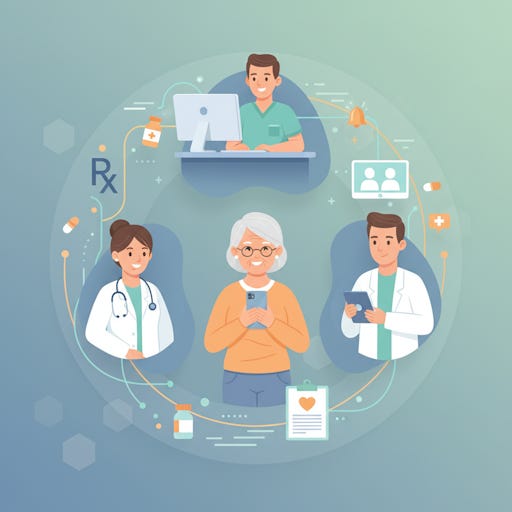
Digital health tools are reshaping how patients, pharmacists, and physicians work together. These technologies can spot dangerous drug combinations before they harm you, send reminders when it’s time to refill, and let you consult with a pharmacist from your kitchen table. The problem they solve is simple but serious: medication errors, missed doses, and poor coordination between providers that can lead to hospitalizations or worse.
Join TheSeniorTechie and help make technology easier for every senior. Paid subscribers get full access to all Premium Guide Content at no extra cost, plus 60 days of free tech support from our partner Tech Maid.
What Electronic Prescriptions Actually Do
Electronic prescriptions replace paper slips with digital orders sent straight from your doctor’s office to your pharmacy. When a physician writes an e-prescription, the system automatically checks for drug interactions, allergies, and dosing problems before it reaches the pharmacist.
Research shows this matters. Among 3.3 million prescriptions reviewed, doctors received severe or moderate drug interaction alerts for 33% of them, leading to changes in 41% of those flagged prescriptions. That’s more than 400,000 potentially dangerous prescriptions caught before patients picked them up.
E-prescriptions also cut down on errors from illegible handwriting and ensure your pharmacy gets the order immediately. Studies analyzing electronic prescription systems found they reduced medication errors by 13% to 99%, depending on the setting, with an overall risk reduction of about 15% compared to traditional paper prescriptions.
Pharmacy Apps Connect You to Your Medications
Major pharmacy chains now offer apps that do more than let you refill prescriptions. Both CVS and Walgreens provide features that keep you connected to your medication routine.
You can scan prescription bottles or enter prescription numbers to request refills with a few taps. The apps store your prescription history and send notifications when it’s time to reorder. Some include pill reminder tools where you set up alerts by time, medication type, and frequency so you don’t miss doses.
Same-day delivery has become standard. Order your prescriptions through the app and track delivery to your door, or use curbside pickup with a barcode for contact-free service. The CVS app even offers automatic prescription refills for medications you take regularly, with alerts about insurance issues or authorization needs.
Both apps connect to your health records, letting you view prescription history, test results, and immunization records in one place. CVS includes direct access to schedule MinuteClinic appointments for basic healthcare services.
Medication Interaction Checkers Prevent Dangerous Combinations
When you take multiple medications - and many seniors do - the risk of dangerous interactions increases. Drug interaction checkers built into pharmacy systems and standalone apps can flag these problems.
Professional-grade tools like Lexi-Interact and Epocrates score highest for accuracy, with sensitivity rates between 77% and 87%. These systems alert pharmacists and doctors when two drugs might react poorly together, when dosages need adjustment based on age or kidney function, or when a medication conflicts with a health condition.
Apps designed for consumers offer similar features, though their accuracy varies considerably. Popular medication management apps like Medisafe and MyTherapy combine drug interaction checking with reminder systems. Some now integrate AI-driven warnings and sync with wearable devices to track adherence.
The catch is that consumer apps don’t always match the accuracy of professional systems used by pharmacists. That’s why the best approach combines app-based reminders with professional pharmacy oversight.
Patient Portals Give You Control
Electronic health record portals put your medical information at your fingertips. Log in anytime to view test results without waiting for a phone call, review your medication list, and check what your doctor noted during your last visit.
These portals improve communication between you and your healthcare team. Secure messaging lets you request prescription refills, ask questions, and schedule appointments without phone tag. Getting test results quickly means you can follow up faster, leading to more proactive care.
When you have easy access to your complete medication list and health history, you’re better equipped to catch errors or outdated information. You can spot if a medication was discontinued but still shows up, or if the dosage doesn’t match what you’re actually taking.
Telepharmacy Brings Consultations Home
Telepharmacy lets you consult with a licensed pharmacist through video calls, phone, or secure messaging platforms. You can discuss new prescriptions, ask about side effects, review all your medications to spot interactions, and get advice on over-the-counter drugs that might not mix well with what you’re taking.
For seniors with chronic conditions like diabetes or heart disease, telepharmacy consultations provide convenient access to medication expertise without leaving home. A pharmacist can review your entire medication regimen, make recommendations, and coordinate with your physician if changes are needed.
Medicare Part D now covers telepharmacy services through networks like CVS and Walgreens, often with prescriptions delivered within 48 hours. This coverage has improved medication adherence by about 25% for chronic disease patients who use these services.
The technology works through secure platforms where you schedule appointments or connect instantly with pharmacists. Many services integrate with your electronic health records, so the pharmacist can see your complete medication history and health conditions.
How These Tools Work Together
The real power comes when these technologies connect with each other. Your doctor writes an e-prescription that automatically checks for interactions. It arrives at your pharmacy, where the pharmacist’s system runs additional safety checks. You get a notification on your phone that the prescription is ready.
Your pharmacy app reminds you when it’s time to take medications and when to reorder. If you have questions, you schedule a telepharmacy consultation without leaving your house. All of this information flows into patient portals where you can track your medications, review notes from the pharmacist, and share updates with your doctor.
This connected system reduces the gaps where errors happen. Automated refill reminders mean fewer missed doses. Drug interaction checks at multiple points catch problems that might slip through. Direct communication between providers ensures everyone knows what medications you’re actually taking.
Getting Started
You don’t need to adopt everything at once. Start with your pharmacy’s app if you use a major chain. Download it, create an account, and try ordering one refill through the app instead of calling.
Ask your doctor’s office about their patient portal. Most practices now offer them, and staff can help you register and log in for the first time. Begin by just looking at your medication list to make sure it’s accurate.
If you take multiple medications or have questions about interactions, ask your pharmacist about telepharmacy consultations. Many pharmacies now offer this service, and it might be covered by your insurance.
These tools take a bit of learning upfront, but they solve real problems that paper prescriptions and phone calls can’t. Fewer medication errors, better coordination between your healthcare team, and reminders that keep you on track add up to safer, simpler medication management.

