

This is the third of a 4-part series on brain health. It introduces our monthly Deep Dive into Brain Health, available to Paid subscribers.
Physical health gets most of the airtime: step counters, heart monitors, blood pressure cuffs. But emotional well-being plays just as big a role in keeping your brain in shape.
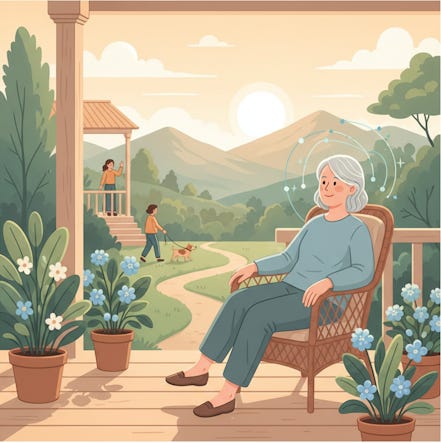
Chronic stress, loneliness, and negative thinking don’t just make us feel lousy. Over time, they can affect memory, sleep, and even immune function. The National Institute on Aging notes that mental and emotional health are tightly linked to how well we think, feel, and function day to day, especially as we age.
There’s another twist. Many older adults unintentionally slip into isolation after retirement, relocation, or loss. Once that happens, every other aspect of brain health, including sleep, focus, and motivation, starts to take a hit. The problem this article is trying to solve is simple: too many of us quietly struggle with mood, stress, or loneliness, without realizing there are practical, tech‑friendly tools to feel better.
The solution? Treat emotional health as a daily habit, not an afterthought, and use technology as a bridge to connection, support, and calm instead of letting it be just another source of noise.
Disclosure: I may earn a small commission if you buy, at no extra cost to you.
If you're still keeping your passwords on paper, give RoboForm a try. Security.org named it the “best password manager of 2026,” citing its strong security, support for passkeys, and very low cost.
The Power of Connection, Even Through Screens
You don’t need a packed social calendar to stay emotionally balanced. Regular, intentional connection, even a single meaningful chat during the day, can shift your whole outlook.
That’s where technology can quietly shine:
Video calls through Zoom, FaceTime, or Google Meet make long‑distance conversations feel more like sitting at the same table.
Online classes and groups, such as those from Senior Planet (part of Older Adults Technology Services from AARP), give older adults free virtual classes on fitness, tech skills, health, and hobbies designed specifically for seniors.
Learning platforms like GetSetUp offer live, small‑group classes taught by older adults for older adults, covering everything from technology to wellness and creative hobbies, with an easy‑to‑use interface tailored to different comfort levels with technology.
Simple messaging apps like WhatsApp or regular text messaging can create an always‑open “hallway” for short check‑ins and shared photos.
A good mental trick is to schedule connection the way you’d schedule an appointment. For example, you might have a standing Tuesday video chat with an old coworker, a Thursday online book club, or a Saturday group text where everyone shares one good thing from the week. Those tiny anchors give the week shape and reduce the sense of drifting.
Paid subscribers get full access to all Premium Guides (including our monthly brain health deep dive) plus lifetime tech support from our partner Tech Maid (a $50/year value, included for free).
Everyday Habits That Gently Lift Mood
Emotional wellness isn’t just about big breakthroughs. It’s mostly about small, repeated choices that nudge your brain toward balance. You can think of them as daily maintenance for your mood.
A few powerful habits:
Practice gratitude: Jot down three things you’re thankful for each day. Over time, it trains your attention to notice what’s going right instead of only what’s going wrong.
Spend time in nature: Even a short daily walk, or sitting by a window with trees in view, can lower stress and improve mood for many people.
Tidy your information diet: Constant news alerts can keep your nervous system on high alert. Try choosing one trusted source and checking it once a day instead of all day.
Keep a steady sleep schedule: Emotional balance is much harder when you’re tired. Most adults feel and think better with roughly 7 to 8 hours of sleep on a regular schedule.
You can use technology to support these habits instead of fighting them:
Set phone reminders for your walk or gratitude time.
Use a simple notes app or journaling app to record what went well each day.
Use your calendar to set a “digital sunset,” a time in the evening when you stop scrolling and let your brain wind down for sleep.
Each of these is small on its own. Together, they create a buffer against stress and mood swings.
When Emotional Struggles Need Extra Help
Sometimes emotional strain goes beyond what good habits can handle. This is more common than many people think, and it’s not a personal failure.
Warning signs that extra support might help include:
Feeling down or hopeless most days for more than two weeks
Losing interest in hobbies or activities you usually enjoy
Big changes in sleep, appetite, or energy levels
Feeling constantly on edge, worried, or unable to relax
Experts in aging and emotional health emphasize that depression and anxiety are not “just part of getting older” and that they are treatable conditions. Many older adults actually experience less depression than younger people, yet when symptoms do appear, they’re often dismissed as normal aging, which delays care.
If any of that sounds familiar, a few concrete steps can help:
Talk with your primary care provider and describe your emotional symptoms clearly, just as you would describe pain or shortness of breath. Many clinics now screen older adults for depression and anxiety as part of routine care.
Ask about telehealth counseling if driving or mobility is an issue. Many therapists now see older clients via secure video visits.
Look for community programs that focus on emotional support for older adults, including local senior centers, councils on aging, and faith‑based groups. These may offer support groups, educational sessions, or referrals to mental health professionals.
The biggest mindset shift? Treat emotional symptoms as health issues, not character flaws. You’re not “being dramatic” if you ask for help; you’re taking responsible care of your brain.
Tech Tools To Calm, Reflect, And Reset
Technology can also act like a calming companion when it’s chosen carefully and used with intention. The key is to pick tools that make you feel better after using them, not worse.
Many people find guided meditation or relaxation apps useful. Popular options like Calm, Headspace, and Insight Timer provide short audio sessions for meditation, breathing, or sleep support, often with free content so you can try them before paying. These apps are widely described as tools for reducing stress and supporting focus and sleep, and they are designed to be simple to use on phones or tablets.
Mood‑tracking apps such as Daylio or similar journals let you record how you feel each day with just a few taps. Over time you might notice patterns, like “I feel better on days I walk with a friend” or “Evening news makes me more anxious at night.” That kind of insight makes it easier to adjust your routine.
If you’re nervous about new apps, you can:
Ask a librarian, tech volunteer, or local aging services group if they offer free app‑help sessions.
Take a Senior Planet or GetSetUp class on smartphone basics or mental wellness tools, which are taught at a pace designed for older adults.
This is where technology really earns its keep: helping you notice what your mind needs and giving you easy tools to respond.
Pulling It All Together For Brain Health Month
Brain Health Month is often framed around puzzles, diet, and exercise, which are all helpful. But emotional well‑being sits right in the center of brain health, affecting how we think, remember, and show up in daily life.
The problem this week is trying to solve is that emotional health often falls to the bottom of the to‑do list, especially for older adults who may minimize their feelings or feel they “should” be able to handle everything on their own. The practical solution looks like this:
Schedule regular social connection, using video calls, group classes, or simple texts.
Build small daily habits that support mood, like gratitude, time outdoors, and better sleep.
Recognize when extra support is needed and seek professional help without shame.
Use a few carefully chosen tech tools as allies for calm, reflection, and connection.
If you treat emotional well‑being as core brain maintenance, not a luxury, the payoff shows up everywhere: clearer thinking, better sleep, more energy, and a stronger sense that your days still have purpose and possibility. And that’s worth protecting, at any age.

